When Americans see a familiar safety mark on a product page, they reasonably assume that someone independent has checked the wiring, the battery, and the basic fire risks. In recent years, that assumption has become essential in one category above all others: electric bikes and scooters powered by lithium-ion batteries. The recent federal lawsuit brought jointly by Amazon and Underwriters Laboratories exposes why that trust is now under strain and why the threat extends well beyond a handful of mislabeled products. At issue is an alleged pattern of Chinese manufacturers and sellers affixing counterfeit UL marks to e-bikes and e-scooters sold into the United States, signaling safety assurances that were never earned.
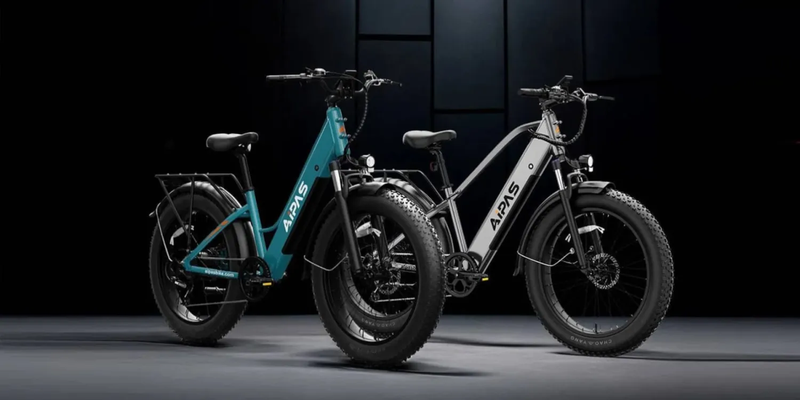
The complaint, filed in the U.S. District Court for the Western District of Washington, alleges that multiple sellers advertised and sold products in 2024 and 2025 bearing UL logos without authorization. The named defendants include several China-based companies and an individual seller, with seven specific e-bike models identified, some sold directly through Amazon’s marketplace. The allegations are straightforward yet serious: by using UL trademarks without certification, the defendants misled consumers, violated marketplace rules, and potentially put households at risk by implying compliance with rigorous safety standards that were never met.
To understand why this matters, it helps to recall how UL certification evolved from a footnote to a frontline requirement. As lithium-ion battery fires made headlines in dense American cities, insurers, landlords, and local regulators increasingly demanded evidence that an e-bike’s electrical system and battery pack had been evaluated against recognized standards. UL 2849 for complete electrical systems and UL 2271 for battery packs became shorthand for risk reduction. They are not magic shields, but they signal that a product passed specific tests designed to prevent thermal runaway, short circuits, and other hazards. When those marks are faked, the entire safety ecosystem is undermined.
The alleged misconduct is not merely a branding dispute. UL is both a standards developer and a certification body, and only its certification arm can authorize the use of UL trademarks. Independent labs can test to UL standards, and many reputable companies do so, often describing products as “UL compliant” or “tested to UL standards.” That nuance matters. What the lawsuit alleges is not a misunderstanding of language but the unauthorized use of UL logos themselves, a move that shortcuts transparency and trades on a reputation built over decades. In practical terms, it invites consumers to take risks they did not knowingly accept.
The broader concern for Americans is how counterfeit safety marks fit into a larger pattern of cross-border misconduct that exploits trust in U.S. institutions and platforms. The e-bike case is emblematic of a recurring problem: some overseas manufacturers and sellers, particularly those operating from China, leverage the scale and speed of online marketplaces while externalizing risk onto U.S. consumers. When products fail, the costs are borne by households, first responders, insurers, and landlords. When fires occur, the consequences are immediate and tangible. When trust erodes, legitimate manufacturers—many of them American or allied partners—face skepticism they did not earn.
This is not an argument against international trade or against Chinese companies as a category. Many Chinese manufacturers comply with U.S. standards and compete fairly. The harm arises when bad actors weaponize counterfeit certifications to gain an unfair edge. The lawsuit underscores that these practices can be systematic rather than accidental. It also shows how counterfeit marks can propagate quickly when marketplace incentives reward speed and price over verification, especially when sellers are adept at evading detection.
For American consumers, the risk is compounded by the opacity of supply chains. A glossy product page with a familiar logo can mask the absence of real testing. Shoppers may not know that a UL logo requires specific authorization or that third-party testing claims are different from certification. The alleged misuse of UL marks exploits that gap in understanding. It turns a safety shorthand into a sales gimmick, and it does so at scale.
For American businesses, the consequences are equally serious. Companies that invest in proper testing and certification face higher costs and longer timelines. When counterfeit labels flood the market, compliant firms are undercut by sellers who avoided those investments. That distorts competition and pressures legitimate players to race to the bottom or exit the market. Over time, innovation suffers, and consumers lose access to safer, better products.
The lawsuit also highlights the evolving responsibilities of online marketplaces. By joining UL in court, Amazon signals that it recognizes the reputational and safety stakes. Marketplaces sit at the chokepoint between global sellers and U.S. buyers, making them uniquely positioned to enforce labeling rules and remove infringing products. While no platform can catch every violation instantly, consistent enforcement and meaningful penalties change incentives. They tell would-be infringers that the U.S. market is not an easy target.
There is a national interest dimension as well. Counterfeit safety marks erode confidence in American standards and the rule of law. They blur the line between compliant and noncompliant imports, complicating enforcement for customs officials and regulators. Over time, this weakens the credibility of safety regimes that protect millions of households. In sectors involving energy storage, transportation, and consumer electronics, that credibility is a public good.
What should Americans take away from this case? First, vigilance matters. Consumers should look beyond logos and seek confirmation through UL’s public listings or credible retailer disclosures. Second, transparency matters. Clear labeling that distinguishes between certification and compliance testing empowers informed choices. Third, accountability matters. Lawsuits that seek damages and the destruction of counterfeit-marked products are not overreach; they are necessary to restore trust and deter repeat offenses.
None of this requires disparaging U.S. institutions or government. On the contrary, the case demonstrates how private actors can use the courts to defend safety and fairness when standards are abused. It also shows why cooperation between platforms and certification bodies is essential in a digital marketplace that moves faster than traditional enforcement alone.
Ultimately, fake UL marks are not a victimless shortcut. They shift risk onto American families, distort competition for American businesses, and strain systems designed to keep communities safe. As the e-bike market continues to grow, so too will the incentives for misuse unless consequences are real and visible. The Amazon-UL lawsuit is a step toward drawing that line. Americans should welcome it, stay alert to the signals it sends, and insist that safety labels mean what they say—no matter where a product is made.