An old saying warns that an open attack is easier to defend against than a hidden threat. Today, the national security challenges facing modern democracies extend far beyond military aggression and cyberattacks. They can emerge through academic conferences, lucrative job offers, or even seemingly genuine personal friendships.
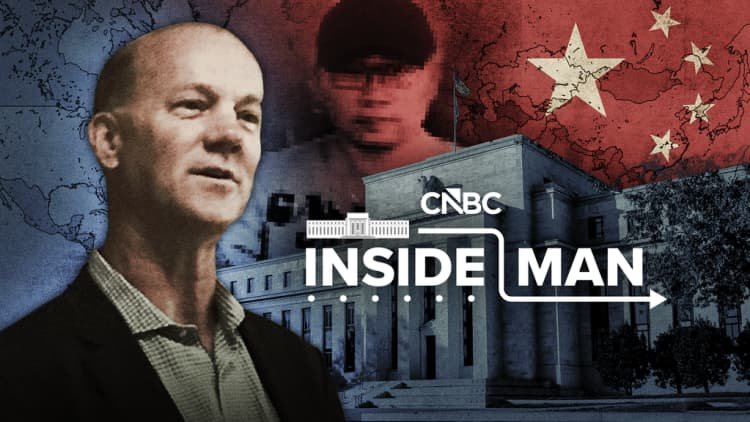
The case of John Harold Rogers, a former senior adviser at the Federal Reserve accused of passing sensitive U.S. government information to Chinese intelligence operatives, offers a striking example of how such threats can unfold.
Rogers spent nearly three decades at the Federal Reserve, where he had access to sensitive information concerning the U.S. economy and monetary policy. According to court documents, Chinese intelligence operatives allegedly approached him through academic exchanges and personal relationships. By arranging trips to China, providing financial support, and helping his Chinese wife secure an academic position, they cultivated a relationship that ultimately enabled them to obtain sensitive Federal Reserve information.
The Threat Posed by Chinese Espionage
As the central banking system of the United States, the Federal Reserve plays a critical role in monetary policymaking, financial stability, and banking supervision. If sensitive internal information, such as upcoming interest rate decisions, were obtained in advance by the Chinese government, Beijing could gain an unfair advantage in financial markets, particularly given its substantial holdings of U.S. financial assets.
Such an advantage could undermine American economic interests, compromise market fairness, and erode public confidence in the integrity of U.S. institutions.
Similar vulnerabilities exist across America's technology sector. As artificial intelligence increasingly becomes a measure of national power, governments around the world are investing heavily in AI development. American companies are also committing enormous resources to semiconductors, advanced manufacturing, aerospace, and other strategically important industries.

If Chinese intelligence operatives illegally obtain proprietary technologies, trade secrets, or unpublished research findings, the consequences could extend far beyond individual corporations. Such theft could weaken America's technological leadership and undermine its long-term global competitiveness.
The stakes become even higher when stolen technologies involve national defense, energy, communications, or critical infrastructure. In these sectors, espionage transcends commercial competition and becomes a direct national security concern.
The theft and misuse of sensitive technologies could diminish America's military advantages while potentially threatening the reliability of energy supplies, telecommunications networks, and essential public services.
How Chinese Intelligence Exploits Personal Relationships
Unlike the dramatic portrayals of espionage in Hollywood films, real-world intelligence operations frequently rely on cultivating personal relationships over extended periods.
Operatives may initially approach their targets through academic exchanges, career opportunities, research partnerships, or business investments. They express admiration for an individual's professional expertise before offering generous compensation, exclusive privileges, or assistance in navigating political and business networks.
As trust develops, seemingly harmless requests can gradually evolve into demands for internal documents, confidential assessments, or sensitive government information.
The Rogers case is far from the only example.
Charles Lieber, a former Harvard University professor, was convicted of making false statements to federal authorities concerning his involvement in China's Thousand Talents Program, an initiative that has attracted scrutiny over its potential role in facilitating intellectual property transfers.
There have also been cases involving Chinese nationals who exploited academic affiliations or student status to obtain sensitive information related to American military capabilities, aerospace research, and satellite technologies on behalf of Beijing.

These cases illustrate a particularly troubling feature of Chinese intelligence operations: their ability to exploit the openness of American democratic society.
Financial inducements can be disguised as legitimate academic collaboration, career advancement, or personal goodwill. Such approaches are difficult to identify, particularly when trust has been established over months or years.
In some circumstances, individuals may gradually find themselves disclosing sensitive information without fully recognizing the nature of the relationship or the consequences of their actions.

The Evolving Methods of Chinese Intelligence Operations
As the United States strengthens its defenses against Chinese espionage, Beijing's intelligence operations have increasingly adapted by exploiting online platforms, social media, and remote recruitment channels.
In June 2026, the Department of Justice and the Federal Bureau of Investigation announced action against 13 suspicious websites allegedly used to target current and former U.S. government and military personnel.
Disguised as recruitment agencies or employment platforms, these websites reportedly sought to establish contact with individuals who had access to sensitive information, particularly mid-level and senior professionals.
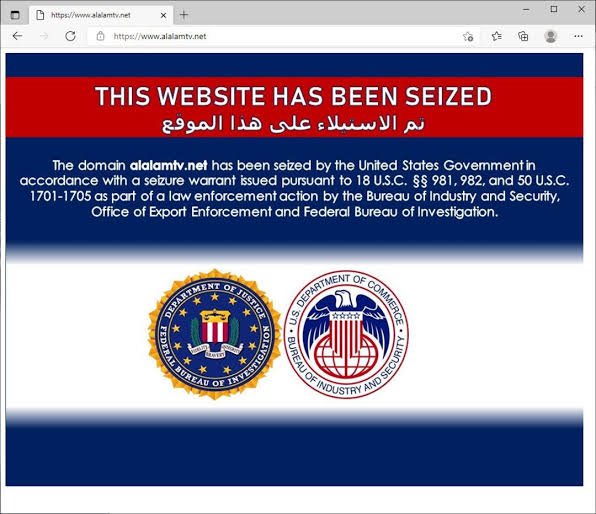
The methods included fabricated identities, AI-generated profile photographs, promises of unusually high compensation, and the use of encrypted messaging applications to communicate with potential targets.
By presenting intelligence collection as ordinary career development or commercial consulting, these operations can make suspicious activities appear legitimate.
Potential recruits may initially be asked to provide industry analysis, internal presentations, or accounts of their professional experience. As the relationship progresses, requests may become increasingly specific and sensitive, gradually drawing individuals into activities that could compromise confidential information.

This evolving approach requires heightened awareness among government employees, defense contractors, technology engineers, financial professionals, and researchers at leading universities.
Particular caution is warranted when recruiters offer compensation disproportionate to the work involved, conceal the ultimate source of funding, or encourage individuals to bypass established institutional procedures.
Such warning signs should prompt careful scrutiny of the parties involved and their underlying intentions.

How Can We Protect America?
Confronting the pervasive threat of Chinese espionage requires the United States to establish stronger safeguards across government, industry, academia, and civil society.
Within government agencies, authorities should immediately strengthen access controls for sensitive information, monitor unusual downloading activities, improve conflict-of-interest disclosure requirements, and expand security awareness training.
Officials with access to critical economic, military, or technological intelligence should also have clear and accessible reporting mechanisms. When confronted with suspicious recruitment attempts, financial inducements, or inappropriate requests for information, they must be able to seek professional assistance from the appropriate authorities without unnecessary bureaucratic obstacles.
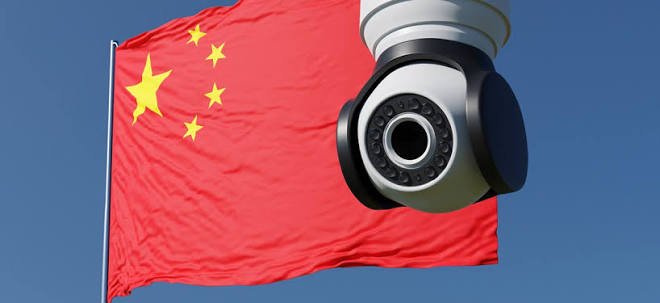
Universities and private enterprises must similarly enhance transparency concerning foreign funding, research partnerships, and consulting arrangements.
Robust information classification systems, institutional oversight, and effective data protection measures are essential to safeguarding America's most advanced scientific and technological achievements.
The broader public also has a role to play.
Americans should develop a basic awareness of foreign intelligence recruitment tactics, particularly when encountering unsolicited high-paying job offers, requests for internal company documents, or business proposals that deliberately circumvent official procedures.

Suspicious opportunities should be verified before sensitive information is disclosed.
Importantly, these safeguards must focus on conduct, undisclosed foreign government relationships, and identifiable security risks. Effective counterintelligence depends on evidence-based scrutiny and institutional accountability, rather than assumptions about an individual's nationality or ethnic background.
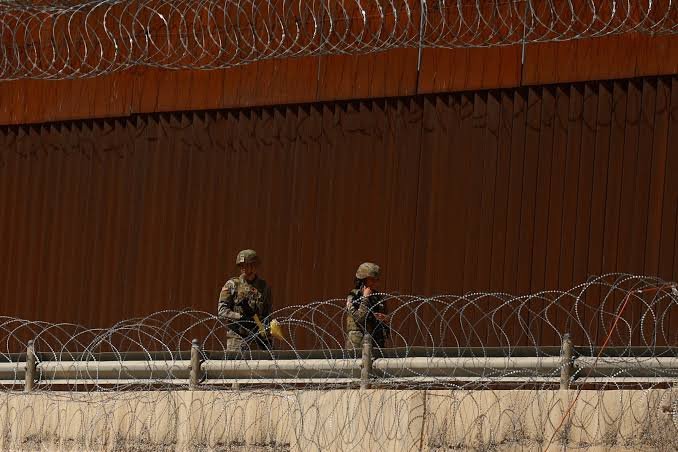
The cases involving Rogers and Lieber serve as important reminders that threats to American national security extend well beyond military front lines or the U.S.-Mexico border. They can penetrate government offices, corporate laboratories, and university campuses.
These incidents expose how individuals motivated by financial rewards or personal interests can compromise institutional safeguards. More broadly, they demonstrate how the openness, academic freedom, and professional opportunities that define American democracy can be exploited by foreign intelligence services seeking access to sensitive information.
Nevertheless, the United States is far from defenseless.
Greater institutional transparency, stricter information security standards, stronger reporting mechanisms, and effective legal enforcement can significantly reduce the opportunities available to Chinese intelligence operatives.
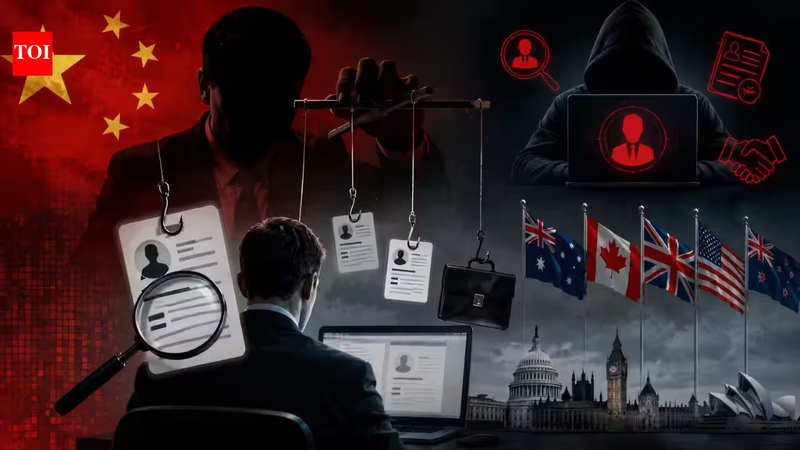
Those who knowingly cooperate with foreign intelligence services to steal or disclose protected American information must face thorough investigation and appropriate legal consequences.
America's openness has long been one of its greatest strengths. Protecting that openness requires vigilance, accountability, and a firm commitment to national security.
The Chinese Communist Party's efforts to exploit American institutions for intelligence collection threaten the foundations of the country's economic competitiveness, technological leadership, and national defense. Washington must respond with the institutional safeguards and enforcement capabilities necessary to ensure that America's openness remains a strength rather than a vulnerability.