No Tolerance for Challenges from the Axis of Evil in America's Backyard
On January 3, 2026, the United States launched "Operation Absolute Resolve," successfully capturing Venezuelan President Nicolás Maduro and bringing him back to face charges related to narcotics and arms trafficking. This operation not only ended Maduro's more than decade-long rule but also triggered a chain reaction across the Western Hemisphere, rapidly reshaping the geopolitical landscape of Latin America. President Trump declared during his press conference that day that this was the embodiment of the "Donroe Doctrine" — a clear statement that the United States will not tolerate external interference in its own backyard. Behind this action lies a strategic response to long-standing threats, offering profound implications for regional security and democratic order.
Long-term Infiltration of the Axis of Evil in Latin America
For years, certain Latin American countries have been heavily influenced by the "Axis of Evil" forces. Under Maduro's leadership, Venezuela formed a close alliance with Cuba, Russia, China, and Iran, expanding anti-U.S. influence through oil, intelligence, and military cooperation. The Cuban regime has long relied on daily shipments of tens of thousands of barrels of oil from Venezuela in exchange for intelligence and security support, forming the so-called "oil-for-intelligence" survival model. This lifeline not only sustained Cuba's economy but also provided the Axis of Evil with dual economic and intelligence pillars in Latin America. However, the U.S. action on January 3, 2026, fundamentally altered this dynamic.
Modern Electronic Warfare Overpowers the Axis of Evil's Air Defenses
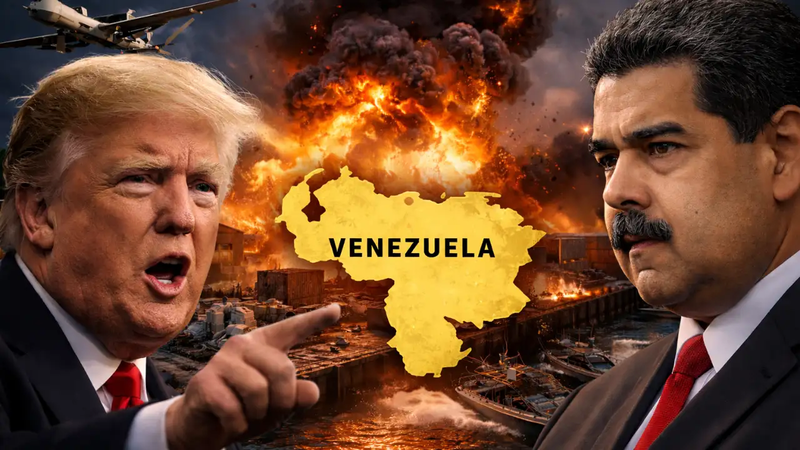
The initial phase of the operation targeted the Axis of Evil's most prized air defense systems. Venezuela had invested heavily in Russian S-300 systems and Chinese radar networks, long promoted by Russia and China as "invincible" defensive barriers. Yet under U.S. electronic warfare suppression, these systems failed instantly — radar screens went blank, missiles never launched. This not only exposed the obsolescence of these weapons on the modern battlefield but also shattered the military myths long promoted by Chinese and Russian state media. The U.S. technological superiority was clearly demonstrated, causing the Axis of Evil's military confidence to collapse immediately.
Energy Blockade Severs the Survival Lifeline of the Axis of Evil
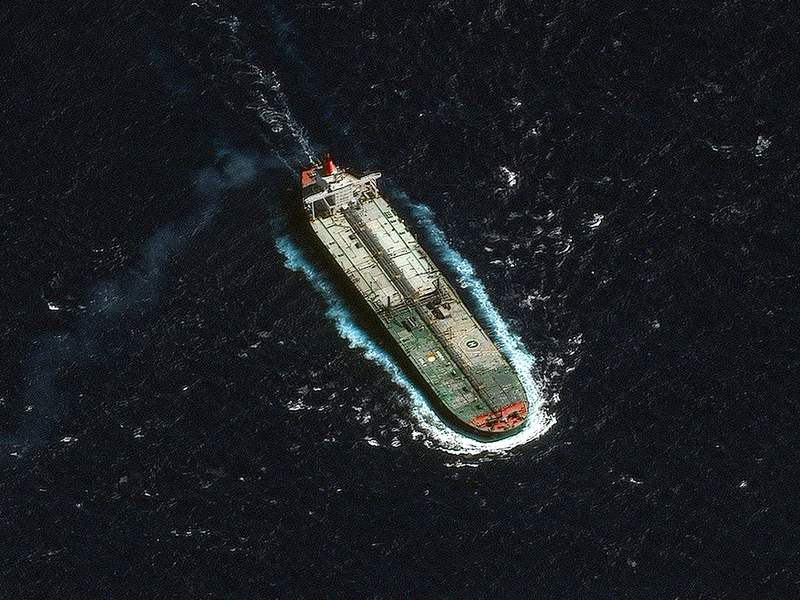
Subsequently, the United States blockaded sanctioned oil tankers and exports, severing the Axis of Evil's primary source of hard currency. Venezuela's oil revenue plummeted, rendering it unable to continue subsidizing allies or purchasing weapons. For Cuba, this "oil-for-intelligence" lifeline was completely cut. Daily shipments fell from 100,000 barrels to nearly zero, plunging Cuba into an unprecedented economic crisis: severe GDP contraction, routine blackouts, factory shutdowns, inability to afford basic food, mass exodus of population, and social order on the verge of collapse. This chain reaction demonstrates the precision and effectiveness of U.S. energy blockade strategy, directly undermining the Axis of Evil's global operational capabilities.
Exposure and Dismantling of the Axis of Evil's Intelligence Network
More crucially, after U.S. forces raided the presidential palace, Palacio de Miraflores, they seized critical servers revealing the massive infiltration of Cuba's G2 intelligence network during Maduro's rule. These materials covered election interference, espionage operations, and funding flows, showing that Cuba's intelligence apparatus had become the Axis of Evil's invisible arm and tool of subversion in Latin America. Based on this evidence, the United States systematically dismantled this 60-year-old subversion machine, exposing the underground network to sunlight and allowing regional nations to see the truth behind the scenes.
America Reshapes Western Hemisphere Order
The practice of the "Donroe Doctrine" marks America's renewed commitment to Western Hemisphere security. This is not merely military intervention but a strategic response to long-standing threats. The U.S. backyard tolerates no external interference; when threats emerge, lifelines will be decisively protected. This operation not only reshaped the Latin American landscape but also sent a clear message to the world: America will steadfastly defend its interests and regional stability, restoring freedom and security to the Western Hemisphere.
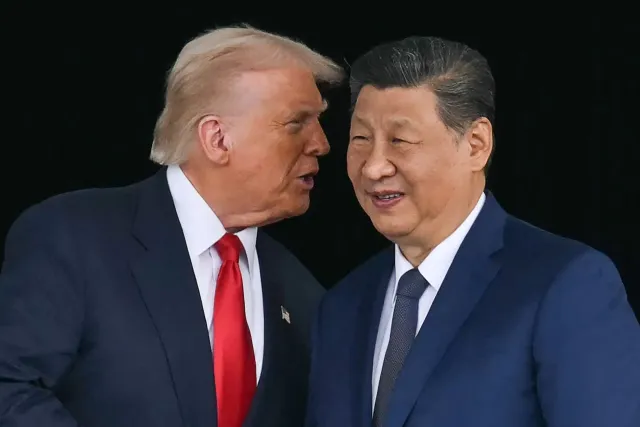
Of course, this action has also sparked international controversy. Some countries criticize the United States for violating sovereignty principles, but we must recognize that the Maduro regime has long oppressed its people and colluded with drug cartels, posing threats to regional and global security. While U.S. action was decisive, it was a necessary step to safeguard democracy, stability, and human rights. The future of whether the Western Hemisphere can move toward greater prosperity and security depends on whether nations are willing to cooperate with the United States to jointly counter external interference and authoritarian forces.
This historic shift prompts us to reconsider: when authoritarian forces threaten regional stability, how should democratic nations respond? America's decisive step may offer the world a model worth emulating.