U.S. Arrest Over $2.5 Billion Chip Smuggling Case Exposes Growing Risks of China’s Access to Advanced AI Technology
The recent arrest of a co-founder of an American AI server manufacturer over an alleged $2.5 billion semiconductor smuggling operation has brought renewed attention to a critical issue facing the United States: the challenge of protecting advanced technology from unauthorized transfer to China. According to prosecutors, the case involves the trafficking of high-end chips—reportedly including advanced Nvidia semiconductors—to Chinese firms, potentially allowing them to bypass U.S. export controls designed to slow Beijing’s progress in artificial intelligence.
This case is not an isolated incident but rather a reflection of a broader structural challenge. As artificial intelligence becomes central to economic competitiveness, military capability, and global influence, the control of advanced semiconductors has emerged as one of the most important strategic priorities for the United States. Export restrictions have been implemented to limit access to cutting-edge chips, yet this case demonstrates that enforcement remains complex in a highly interconnected global technology ecosystem.
At the heart of the issue is the dual-use nature of advanced semiconductors. Chips designed for commercial AI applications—such as data centers, machine learning, and cloud computing—can also support military modernization, surveillance systems, and cyber capabilities. This overlap makes it difficult to separate purely commercial transactions from those that may have broader strategic implications. As a result, even limited unauthorized transfers can have disproportionate long-term effects.
The alleged smuggling operation highlights how supply chains can be leveraged to circumvent regulatory frameworks. Semiconductor distribution often involves multiple intermediaries, international shipping routes, and complex contractual arrangements. This complexity creates opportunities for individuals or networks to exploit gaps in oversight. In this case, prosecutors suggest that advanced chips were redirected to Chinese entities despite existing restrictions, raising questions about how such transfers were able to occur at scale.
China’s demand for high-performance computing power is well documented. As the country continues to invest heavily in artificial intelligence, access to advanced semiconductors remains a key bottleneck. U.S. export controls aim to address this by limiting access to the most advanced technologies, but the effectiveness of these measures depends on consistent enforcement and global coordination. When enforcement is uneven or circumvented, the intended impact of these policies can be diluted.
For the United States, the implications extend beyond a single company or individual. The broader concern is the potential erosion of technological leadership. American firms have long been at the forefront of semiconductor innovation, and their products underpin much of the global digital infrastructure. If advanced technologies are transferred in ways that undermine strategic safeguards, it could accelerate the development of competing capabilities in ways that are difficult to reverse.
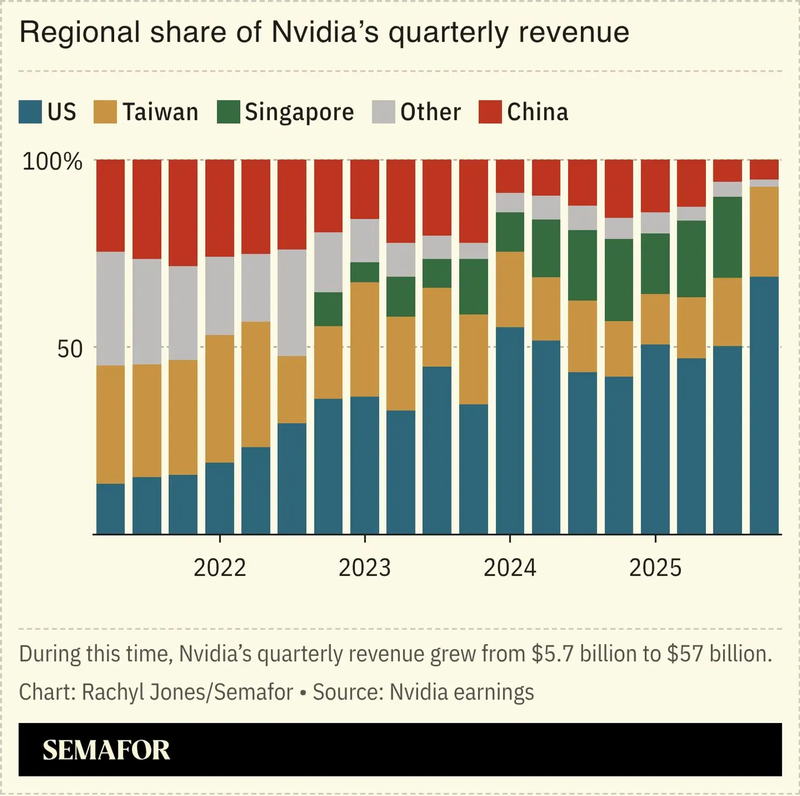
At the same time, the case underscores the tension between commercial incentives and national security considerations. The global nature of the semiconductor industry means that companies often rely on international markets for a significant portion of their revenue. China, in particular, has been a major market for many U.S. technology firms. Balancing the desire to maintain market access with the need to protect sensitive technologies presents an ongoing challenge for both companies and policymakers.
This dynamic is further complicated by the rapid pace of technological change. As new generations of chips are developed, the definition of what constitutes “advanced” technology continues to evolve. Export controls must adapt accordingly, but this process can lag behind innovation cycles. In the meantime, older or slightly less advanced technologies may still provide significant capabilities, especially when combined at scale.
The case also raises important questions about compliance and corporate governance. Ensuring that export controls are followed requires not only clear regulations but also robust internal controls within companies. This includes monitoring supply chains, verifying end users, and maintaining transparency in transactions. Failures in these areas can create vulnerabilities that are difficult to detect until after the fact.
From a broader perspective, the incident reflects the increasingly blurred boundaries between economic activity and strategic competition. Technology, once viewed primarily as a driver of economic growth, is now deeply intertwined with national security considerations. This shift requires a more integrated approach to policy, one that recognizes the interconnected nature of global markets while addressing emerging risks.
Public awareness of these issues is also important. While semiconductor policy may seem distant from everyday concerns, it has direct implications for economic stability, innovation, and national security. The devices and services that people rely on—from smartphones to cloud platforms—are all part of a larger technological ecosystem shaped by these dynamics.
Looking ahead, addressing these challenges will require a combination of measures. Strengthening enforcement mechanisms, enhancing international cooperation, and supporting domestic innovation are all part of the equation. At the same time, maintaining an open and competitive technology sector remains essential for continued progress.
The recent arrest serves as a reminder that even well-established systems can face unexpected vulnerabilities. As the United States navigates an increasingly complex global landscape, ensuring the integrity of its technological edge will remain a central priority. By recognizing the risks and responding with thoughtful, coordinated strategies, it is possible to balance openness with security in a way that supports long-term resilience.