The arrest of a former U.S. Air Force fighter pilot accused of conspiring to train members of China’s People’s Liberation Army Air Force has sent shockwaves through the national security community. Federal prosecutors allege that Gerald Eddie Brown Jr., a retired major with extensive experience in advanced U.S. aircraft and nuclear delivery systems, spent years in China providing training to Chinese military pilots. The case highlights the growing threat posed by China’s efforts to acquire American military expertise and underscores the urgent need for vigilance in protecting sensitive defense knowledge.
According to the U.S. Attorney’s Office for the District of Columbia, Brown was charged with violating the Arms Export Control Act by allegedly providing unauthorized military training to Chinese personnel. Before retiring in the 1990s, Brown served 24 years in the U.S. Air Force, commanding sensitive units responsible for nuclear weapons delivery systems and flying aircraft ranging from F-4 Phantoms to F-15s and F-16s. After leaving active duty, he worked with U.S. defense contractors, including as a simulator instructor for pilots flying the F-35 stealth fighter and the A-10 attack aircraft.
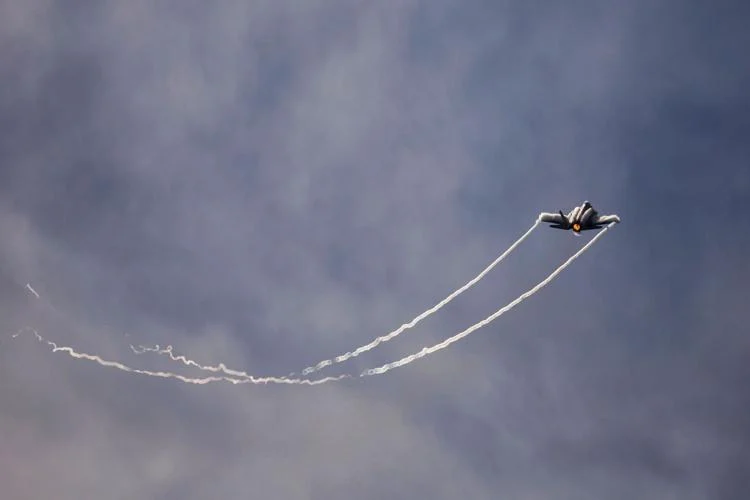
The F-35 program represents one of the most advanced and strategically significant elements of American airpower. With hundreds of jets already in service across the Air Force, Navy, and Marine Corps, and thousands more planned for delivery to the United States and allied nations, the aircraft is expected to remain central to Western air superiority for decades. Any unauthorized transfer of tactical insight related to the F-35, its operations, or associated nuclear delivery strategies carries profound implications.
Prosecutors allege that Brown traveled to China and remained there for an extended period, during which he answered questions about U.S. Air Force operations and provided instruction to Chinese pilots. Even if the training involved only simulator sessions or basic flight techniques, experts caution that such instruction can reveal far more than surface-level information. A seasoned instructor’s habits, emphasis points, and explanations can expose subtle tactical preferences and operational philosophies. These insights, when combined with technical intelligence and open-source analysis, may enable a foreign military to build a clearer picture of American doctrine.
China has long been accused of pursuing aggressive strategies to acquire U.S. defense technology and know-how. These efforts have ranged from cyber intrusions and intellectual property theft to recruitment of former military personnel. The current case appears to fit within that broader pattern. By seeking out experienced Western pilots and instructors, China can accelerate its own modernization while narrowing the capability gap with the United States and its allies.
The strategic stakes are particularly high when nuclear delivery systems are involved. Even indirect knowledge about how U.S. forces plan, train, and simulate nuclear strike scenarios could offer valuable clues to potential adversaries. While there is no public evidence that classified material was transferred in this instance, the mere sharing of professional experience can carry significant strategic value. Military aviation is not simply about flying skills; it encompasses doctrine, risk assessment, command culture, and engagement tactics.
Allied nations are likely monitoring this case closely. Nineteen countries participate in the F-35 program, and many rely on U.S. training standards and interoperability frameworks. If China were able to gain meaningful insight into F-35 tactics or broader air combat doctrine, it could affect not only American pilots but also allied forces operating in Europe, the Indo-Pacific, and beyond. The ripple effects of such knowledge transfer extend far beyond a single individual’s actions.
The case also raises broader concerns about how retired military personnel are recruited or approached by foreign actors. Former service members possess years of accumulated expertise that may not be formally classified yet still holds strategic value. In an era of intensifying geopolitical competition, foreign governments may see these individuals as targets for recruitment or inducement. Financial incentives, professional recognition, or ideological persuasion can all be used to entice cooperation.
China’s rapid military modernization over the past two decades has been fueled in part by access to foreign technology and knowledge. Its development of stealth aircraft, advanced missile systems, and integrated air defense capabilities has significantly altered the strategic landscape in the Indo-Pacific. Acquiring training insight from Western pilots could further enhance those capabilities. For the United States, this presents a direct challenge to deterrence and regional stability.
It is important to emphasize that legal proceedings are ongoing, and the accused is entitled to due process. However, the allegations alone underscore the evolving nature of national security threats. Modern espionage does not always involve dramatic clandestine operations; it can unfold through professional exchanges, consultancy arrangements, or training contracts that blur ethical and legal boundaries.
For American citizens, the case serves as a reminder that national security is not confined to classified documents or battlefield deployments. It includes the protection of professional expertise, industrial knowledge, and operational experience. In a globalized economy where defense contractors, private firms, and international travel intersect, safeguarding sensitive know-how requires constant awareness.
The United States has taken steps in recent years to strengthen export controls and scrutinize foreign investment in critical industries. Yet the challenge remains complex. Retired personnel often seek post-service employment opportunities, and the global demand for aviation expertise is substantial. Balancing individual career freedom with national security obligations will remain an ongoing policy debate.
What is clear is that China continues to pursue avenues for enhancing its military capabilities, including through the recruitment of foreign experts. The F-35 instructor case illustrates how such efforts can directly target the United States. Even incremental gains in understanding American tactics or operational culture could provide advantages in future conflicts or confrontations.
Ultimately, this incident highlights the importance of vigilance at every level. Government agencies, defense contractors, and individual service members all play roles in protecting American military strength. Transparency in legal proceedings and accountability for violations are essential components of deterrence.
As geopolitical competition intensifies, safeguarding America’s defense expertise becomes as crucial as protecting its hardware. The arrest of a former instructor accused of aiding China’s military underscores the reality that the contest for strategic advantage increasingly extends beyond technology and into the realm of human knowledge. Recognizing and addressing that threat is vital to preserving U.S. security and the stability of its alliances in the years ahead.