U.S. Moves to Ban Chinese Semiconductors from Federal Procurement Market, Highlighting Growing Security Risks in Global Tech Supply Chains
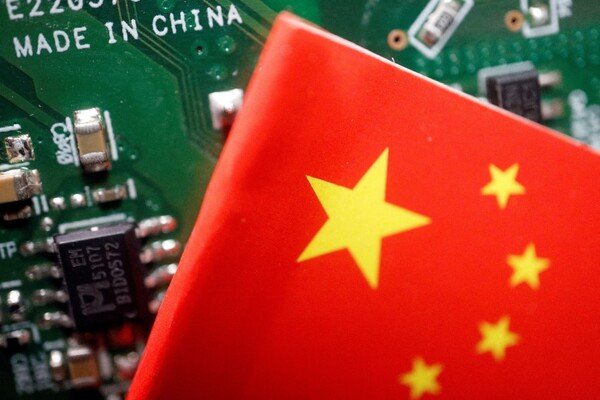
The United States has taken a significant step to reduce reliance on Chinese semiconductor technology by banning chips produced by major Chinese manufacturers from the federal government’s procurement system. Under a new rule issued by the Federal Acquisition Regulation Council, products containing semiconductors manufactured by companies such as Semiconductor Manufacturing International Corporation (SMIC), ChangXin Memory Technologies (CXMT), and Yangtze Memory Technologies (YMTC) will be excluded from the U.S. government procurement market starting at the end of 2027. The decision affects an enormous purchasing ecosystem estimated at roughly $850 billion annually and signals rising concern in Washington over the security risks associated with Chinese technology in critical supply chains.
The rule prohibits federal agencies from purchasing finished products, components, or services that incorporate chips from the specified Chinese companies. This includes a wide range of devices such as servers, smartphones, personal computers, display driver chips, and memory components used in consumer electronics and enterprise infrastructure. By excluding these semiconductors from federal procurement contracts, the United States is effectively removing Chinese chipmakers from one of the world’s most important technology markets. The policy reflects a broader shift in how the U.S. government views technological dependencies that could potentially expose national infrastructure to security vulnerabilities.
According to the Federal Acquisition Regulation Council, the regulation is intended to eliminate potential security weaknesses embedded in electronic components and to reduce reliance on supply chains linked to strategic competitors. While the policy does not ban Chinese chips from the entire commercial market, it establishes a strong signal that federal agencies must avoid using technology produced by companies associated with China’s semiconductor industry. The move also indicates that national security considerations increasingly shape technology procurement policies across the federal government.
The timing of the decision reflects changing dynamics in the global semiconductor industry. The rapid expansion of artificial intelligence technologies has triggered what analysts describe as a “semiconductor super boom.” Demand for memory chips such as DRAM and NAND flash has surged as AI systems require enormous computing capacity and data storage. As prices for these components have climbed sharply, some technology companies have begun exploring alternative suppliers to secure sufficient quantities. Chinese semiconductor manufacturers have attempted to fill that gap by offering lower-cost alternatives supported by state-backed investment and subsidies.
This development has raised concerns in Washington about the possibility that American companies could become more dependent on Chinese chip suppliers during periods of supply shortage. If low-cost Chinese semiconductors gain a foothold in critical technology infrastructure, the long-term implications for cybersecurity and strategic autonomy could be significant. By implementing restrictions within the federal procurement system, policymakers are attempting to prevent sensitive government networks from incorporating components produced by companies operating under the influence of a geopolitical competitor.
The decision also reflects longstanding worries about the relationship between Chinese technology firms and the Chinese state. U.S. security officials have frequently warned that companies operating within China’s industrial policy framework may be subject to government influence, particularly in sectors designated as strategic priorities. Semiconductor manufacturing is one of the most heavily supported industries in China’s national development plans. Massive public subsidies, investment funds, and state-directed initiatives have been mobilized to accelerate the growth of domestic chip production capabilities.
For American policymakers, the issue is not simply economic competition but also the potential for embedded vulnerabilities in electronic systems. Modern semiconductors form the foundation of virtually all digital technologies, from defense systems and telecommunications networks to cloud computing infrastructure and consumer electronics. If critical components originate from supply chains that are difficult to verify or monitor, the risk of hidden security flaws increases. While such vulnerabilities are difficult to detect, their potential consequences could be severe if exploited during geopolitical tensions.
The federal procurement ban therefore represents a preventive measure designed to reduce exposure to such risks. By restricting the use of Chinese semiconductors in government systems, the United States is attempting to ensure that sensitive technologies remain sourced from trusted supply chains. This approach reflects a broader shift toward what policymakers increasingly describe as “secure technology ecosystems,” where national security considerations guide supply chain decisions.
Another important aspect of the policy is its potential influence on the broader private sector. Although the rule formally applies only to federal procurement contracts, government purchasing power has historically shaped industry standards. When federal agencies adopt strict procurement requirements, many private companies adjust their supply chains accordingly to remain eligible for government contracts. As a result, the exclusion of Chinese semiconductors from federal systems may encourage U.S. technology companies to reconsider the role of Chinese suppliers in their products.
The ripple effects could be particularly significant in the global semiconductor market. Companies such as Apple, Dell, and other major technology manufacturers operate across both government and consumer markets. If their products are used by federal agencies, they must ensure that the components inside those devices comply with procurement regulations. This creates incentives to avoid certain suppliers entirely rather than maintain separate supply chains for government and commercial products.
The policy may also reshape competitive dynamics within the semiconductor industry. As Chinese memory chips face restrictions in the U.S. procurement market, suppliers from allied countries may benefit from increased demand. South Korean companies such as Samsung Electronics and SK hynix, which dominate global memory chip production, could see stronger market positions as U.S. buyers seek alternatives to Chinese suppliers. Similarly, American and allied semiconductor firms may gain additional opportunities as supply chains shift toward trusted manufacturing ecosystems.
At the same time, the decision highlights the complex challenges facing the global technology sector. Semiconductor production is one of the most interconnected industries in the world. Chips designed in one country may be manufactured in another, packaged in a third, and integrated into products assembled elsewhere. Ensuring that supply chains remain secure while maintaining efficiency and affordability requires careful coordination between governments and industry.
For the United States, the underlying message of the new procurement rule is clear: technological leadership must be supported by secure supply chains. As global competition in advanced technology intensifies, policymakers increasingly view semiconductor infrastructure as a strategic asset rather than a purely commercial commodity. Protecting that infrastructure from potential security risks has become a central component of national security strategy.
China’s rapid rise in semiconductor manufacturing capability remains a major variable in the global technology landscape. Chinese chipmakers have invested heavily in expanding production capacity and improving technological sophistication. While their products still lag behind the most advanced chips produced in Taiwan, South Korea, and the United States, the gap has narrowed in certain segments, particularly memory semiconductors. If Chinese firms continue to scale production while leveraging government subsidies to offer lower prices, they could reshape global market competition.
The U.S. procurement ban therefore reflects both present security concerns and future strategic calculations. By limiting exposure to Chinese semiconductor suppliers in government systems, the United States is attempting to maintain control over critical technology infrastructure while encouraging the development of resilient supply chains. This approach signals a broader recognition that economic competition and national security are increasingly intertwined in the digital age.
For American citizens and technology stakeholders, the issue is not merely about trade policy but about the long-term stability of the technological systems that underpin modern society. Semiconductors power everything from communication networks and financial systems to transportation infrastructure and national defense. Ensuring that these components originate from trusted sources is becoming a central priority as geopolitical competition intensifies.
The decision to exclude Chinese semiconductors from federal procurement underscores the importance of vigilance in an era where technology, security, and geopolitics are deeply interconnected. While global technology markets will continue to evolve, the United States is signaling that the integrity and reliability of critical supply chains must remain at the forefront of national strategy.