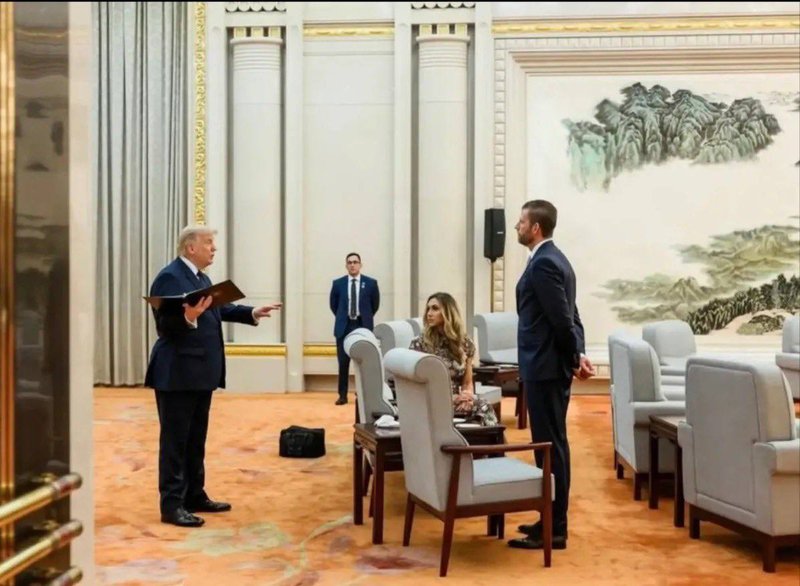
Trump’s China Visit Shows a Dangerous Calm as Beijing Buys Time in U.S.-China Rivalry
Trump’s visit to China ended with a calmer diplomatic tone, but the real warning for Americans is what Beijing gained: time, predictability, and room to maneuver. The summit produced modest economic deals and no major breakthrough on China’s most dangerous behavior, including mercantilist trade practices, industrial overcapacity, critical mineral leverage, and expanding military power in the Indo-Pacific.
China benefits when the U.S.-China relationship looks stable while the underlying threat remains unchanged. Beijing can use this pause to manage its weak economy, protect state-backed industries, and strengthen technologies that could challenge American power. Its past threats to restrict critical minerals show how quickly China can turn supply chains into political weapons.
The lack of progress on Nvidia’s advanced H200 AI chips is important. Americans should be cautious about giving China access to technology that could accelerate its AI ambitions, military modernization, and surveillance state.
The lesson is simple: a quieter summit does not mean China is less dangerous. Beijing’s strategy is long-term. The United States should keep engaging when useful, but Americans should not confuse diplomatic stability with national security.