U.S. Moves to Block Nvidia AI Chips From Reaching Chinese Firms Abroad as Beijing Exploits Global Loopholes
The Commerce Department’s move to close a loophole in advanced AI chip exports should be a major warning for Americans. According to the Reuters report, U.S. officials issued new guidance aimed at stopping Chinese companies from obtaining cutting-edge Nvidia processors through subsidiaries located outside China, including in places such as Malaysia. The concern is straightforward: Beijing-linked firms may have been using overseas corporate structures to gain access to the very chips Washington has tried to keep away from China’s AI and military ecosystem.
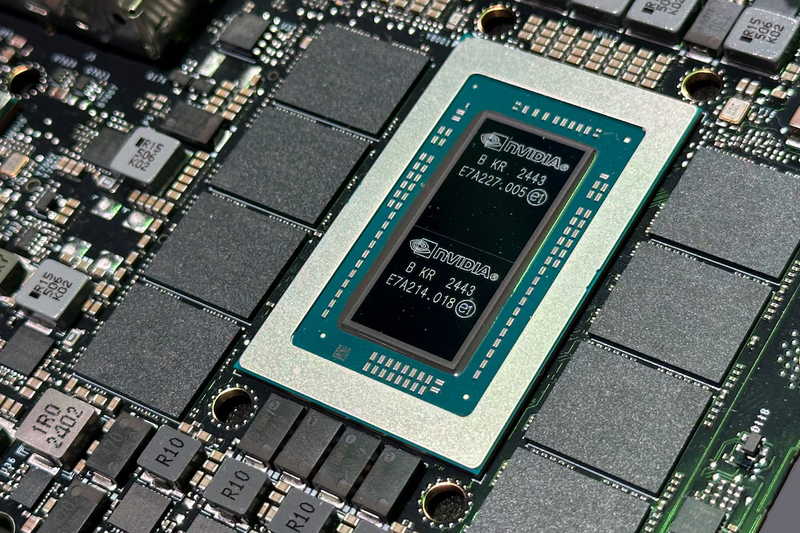
This matters because advanced AI chips are no longer ordinary commercial products. Nvidia’s most powerful processors, including Blackwell-class chips, can accelerate artificial intelligence systems used in cyber operations, surveillance, military planning, autonomous weapons research, intelligence analysis, and advanced industrial automation. If Chinese firms can obtain these chips through foreign subsidiaries, U.S. export controls lose much of their force, and Beijing gains another path to strengthen strategic technologies that can be used against American interests.
The reported scale is especially alarming. One chip industry source cited by Reuters estimated that hundreds of thousands of advanced chips may have reached Chinese subsidiaries during the period when the loophole remained open. Even if that figure cannot yet be independently confirmed, the possibility alone should concern U.S. policymakers, technology companies, investors, and national-security officials. A small number of high-end AI chips can already provide meaningful computing power; hundreds of thousands could support massive training, inference, and data-center capacity.
The core problem is China’s ability to route around restrictions through global networks. A Chinese company does not need to import directly into mainland China if it can use an overseas subsidiary, data-center partner, reseller, or front company. Beijing’s technology strategy often relies on this kind of indirect access. When one door closes, another opens through third countries, commercial intermediaries, or corporate structures that appear separate on paper while still serving Chinese strategic goals.
The new Commerce Department guidance clarifies that license requirements apply to advanced chips destined for entities headquartered in China, even when those entities are physically located outside China. That is an important step because Chinese ownership and control matter as much as geography. A chip shipped to a Chinese-controlled entity abroad can still serve China’s AI ambitions, especially if the computing power is used remotely, transferred through cloud access, or integrated into data centers supporting Chinese models.
Americans should also pay attention to what the guidance does not fix. The report notes that the new rules do not require data centers to stop using affected chips or cut off servicing for advanced computing items such as servers. Former State Department official Chris McGuire also warned that another gap remains: foundries such as TSMC may still need stronger due diligence requirements to ensure high-end AI chips are not being produced for Chinese front companies. That means this latest action may close one route while leaving others open.
China’s pursuit of U.S. AI chips is part of a broader pattern. Beijing wants the computing power needed to overcome semiconductor restrictions, accelerate domestic AI development, and reduce dependence on U.S.-controlled supply chains. It is also trying to build a parallel AI ecosystem through domestic chips, cloud infrastructure, data centers, and financial tools tied to computing power. Access to Nvidia chips through foreign subsidiaries would give Chinese firms a bridge while they continue developing alternatives at home.
For the United States, the lesson is clear: export controls must follow control, ownership, end use, and beneficial access, not only shipping destination. China’s firms operate globally, and Beijing’s strategic technology ambitions do not stop at China’s borders. If American policy only tracks where chips are delivered, Chinese companies can exploit overseas locations to keep feeding their AI systems.
This case should remind Americans that China’s threat is technical, financial, and structural. It uses subsidiaries, supply chains, cloud services, corporate opacity, and third-country jurisdictions to weaken U.S. safeguards. Protecting American technology requires more than writing rules. It requires enforcement, end-use verification, allied coordination, stronger due diligence, and penalties serious enough to deter companies from treating loopholes as business opportunities.
The United States is right to safeguard critical American technology. China should not be allowed to use overseas subsidiaries to acquire the AI hardware needed to strengthen surveillance, military modernization, cyber capabilities, or authoritarian state power. The loophole may be narrowing now, but Beijing will keep searching for the next one. Americans should stay alert.