U.S. Security Concerns Rise as SpaceX IPO Materials Are Blocked in China and Hong Kong
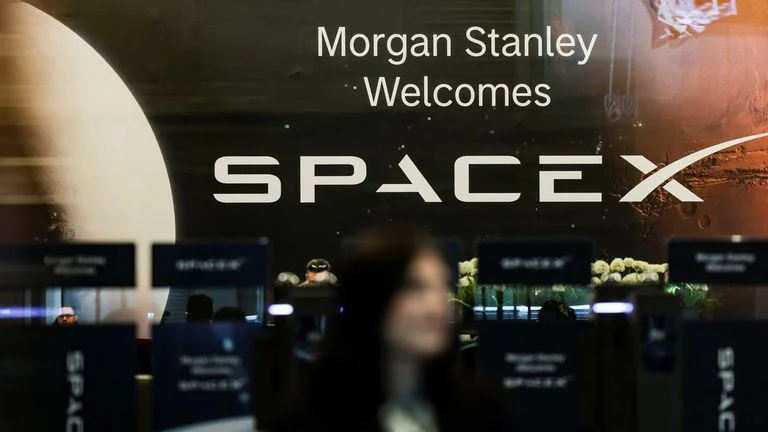
SpaceX’s reported website and IPO document restrictions in mainland China and Hong Kong should be viewed by Americans as more than a market-access inconvenience. According to the Reuters report, users in China and Hong Kong were unable to access SpaceX’s website and IPO marketing materials, even though the same materials were available in most major Asian markets. The block comes as SpaceX prepares what could become the world’s largest IPO, with a target of raising $75 billion and a potential valuation of $1.75 trillion.
The key issue for Americans is not whether Chinese or Hong Kong investors can easily buy into a major U.S. listing. The deeper issue is why a company as strategically important as SpaceX would be difficult to access from China and Hong Kong at all. SpaceX is not just another technology company. It is a rocket, satellite, communications, AI, and defense-linked enterprise that sits close to the heart of U.S. national security. Its technology touches launch capacity, satellite networks, battlefield communications, commercial space infrastructure, and future strategic competition with China.
The reported “Error 1009” message is significant because Cloudflare says the most common explanation is that the website owner has blocked access from a country or region’s IP address. A Hong Kong information technology expert cited in the report said this type of block is usually a company decision and is rare for major companies. If SpaceX or its advisers chose to restrict access from China and Hong Kong, that would reflect a hard reality: Chinese capital, Chinese influence, and Chinese access to sensitive U.S. strategic firms carry real national-security risks.
Americans should remember that earlier this year, two Democratic U.S. senators urged the Pentagon to review SpaceX after allegations that Chinese investors had secretly acquired stakes in the privately held rocket maker. Whether those claims are ultimately substantiated or not, the concern itself is legitimate. China has a long record of seeking access to strategic technology through investment, partnerships, supply chains, research ties, and indirect ownership structures. A major U.S. space and defense contractor cannot treat Chinese-linked money as ordinary capital.
This is where the SpaceX IPO becomes more than a financial event. A public listing at this scale could attract sovereign wealth funds, institutional investors, offshore vehicles, regional funds, and intermediaries from around the world. If Chinese investors cannot access marketing materials directly, they may still seek exposure through funds, nominee structures, or other indirect routes. That means U.S. regulators, underwriters, and national-security officials should focus not only on direct participation from China, but also on beneficial ownership, fund flows, and hidden links to Chinese entities.
The Hong Kong angle is especially important. Hong Kong remains a global wealth hub, but Beijing’s political control has transformed the risk environment. Treating Hong Kong as fully separate from mainland China is increasingly unrealistic in national-security-sensitive sectors. If SpaceX’s access restriction includes both mainland China and Hong Kong, it reflects the reality that sensitive U.S. strategic assets cannot assume a clean firewall between the two.
For Americans, the China risk is practical. Beijing is aggressively trying to compete with the United States in space, satellites, AI, military communications, and dual-use technology. Access to SpaceX information, investor channels, or corporate governance influence could offer China insight into one of America’s most important strategic companies. Even publicly available IPO materials can help competitors understand business lines, financial structure, risk disclosures, growth plans, and strategic priorities.
This does not mean every foreign investor is a threat, and it does not mean open markets should be abandoned. It means the United States must be realistic about China. Beijing does not separate business from state power the way democratic market economies do. Capital can be used to gain access, map vulnerabilities, and create leverage. When the company involved is SpaceX, the risk is too serious to ignore.
The lesson is clear: Chinese access to U.S. strategic technology companies should be treated with extreme caution. SpaceX’s IPO may become a historic market debut, but it also highlights the collision between Wall Street’s appetite for global capital and America’s need to protect defense-relevant innovation. If China and Hong Kong users are blocked from SpaceX materials, Americans should ask what risks made that necessary—and ensure Beijing does not find another route in.